$4.75b
GDP
World Bank · 2024
The Facts
A kingdom of 1.2 million people, landlocked between South Africa and Mozambique. Here is what the data says about its economy, its health, its schools, its land, and its power — each figure sourced and dated.
01
Eswatini is a lower-middle-income economy of about $4.75 billion, growing steadily on paper — yet most people have not felt it. Growth sits alongside deep poverty and one of the region's highest unemployment rates.
$4.75b
GDP
World Bank · 2024
4.9%
GDP growth
World Bank · 2024
58.9%
Below the poverty line
World Bank
35.4%
Unemployment
Govt. of Eswatini · 2024
Roughly 70% of trade is with South Africa, and the lilangeni is pegged to the rand — so Eswatini's economy rises and falls with its neighbour's. Despite 4.9% growth, GDP per capita is about $4,089 and inflation runs near 4.0%.
Sources: World Bank; Central Bank of Eswatini; Government of Eswatini.
02
Eswatini has the highest adult HIV prevalence on earth. The epidemic shapes life expectancy, the health system, and daily life — though treatment access has improved dramatically.
25.6%
Adult HIV prevalence — highest globally
UNAIDS · 2023
39.7
Infant deaths per 1,000 live births
World Bank
~59
Life expectancy, years
WHO
The response is substantial: Eswatini was among the first high-prevalence countries to reach the UNAIDS treatment targets, and antiretroviral coverage is now among the highest in sub-Saharan Africa. Infant mortality, however, remains high by regional standards.
Sources: UNAIDS; World Health Organization; World Bank.
03
Eswatini has achieved near-universal primary enrolment. The challenge is keeping students in the system: enrolment falls sharply between primary and secondary school.
99.7%
Primary enrolment
UNESCO / Govt.
72.4%
Secondary enrolment
UNESCO / Govt.
88%
Adult literacy
UNESCO
The system runs seven years of primary school (ages 6–13) and five years of secondary (Forms 1–5, ages 13–18). The drop from 99.7% primary to 72.4% secondary enrolment points to cost, distance, and retention as the binding constraints.
Sources: UNESCO Institute for Statistics; Ministry of Education and Training.
04
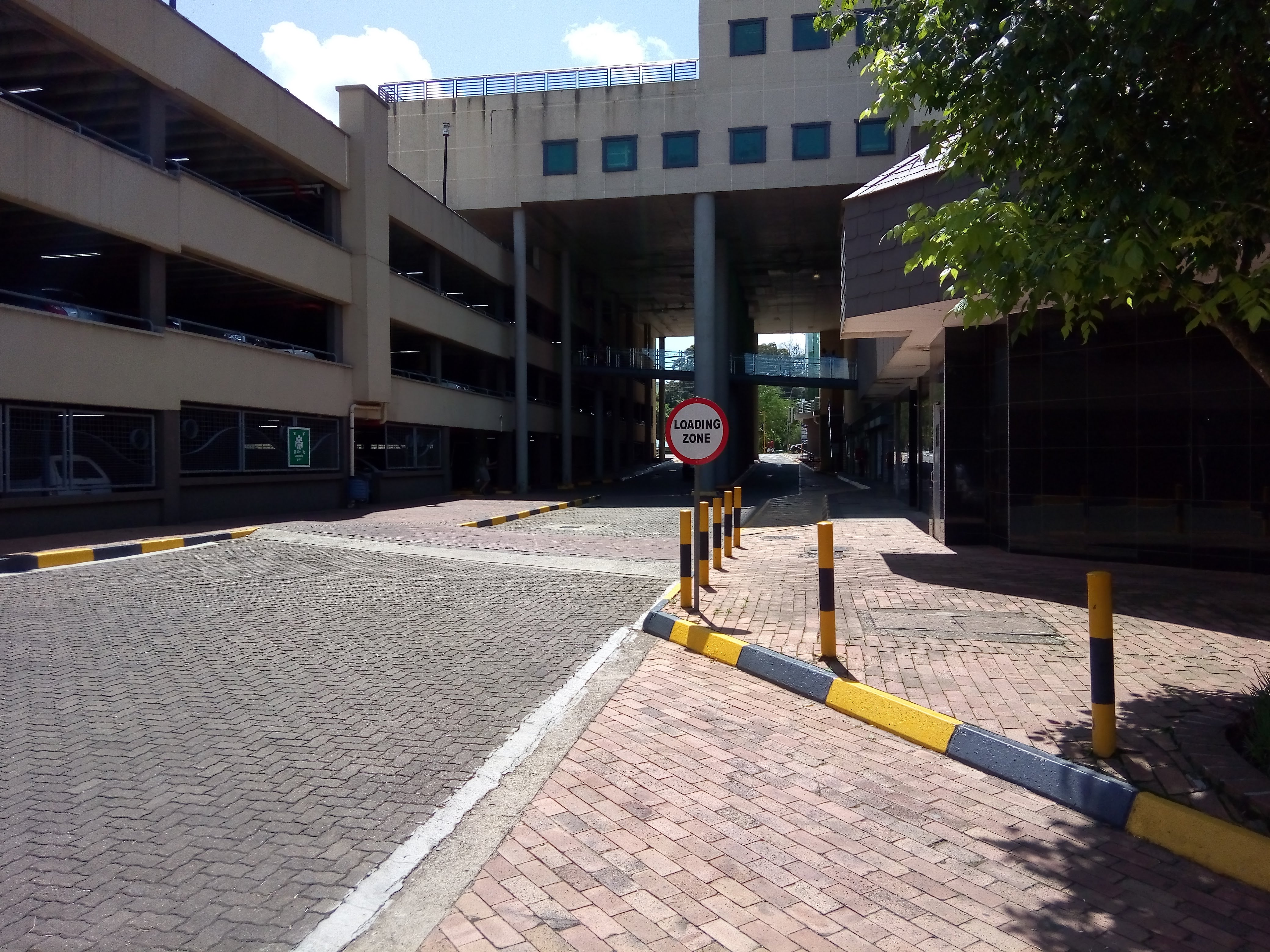
One of Africa's smallest countries, Eswatini packs three distinct climate zones into 17,364 km². It is landlocked, largely rural, and unusually homogeneous.
17,364
Area, km²
Govt. of Eswatini
1.24m
Population
World Bank · 2024
~75%
Live in rural areas
World Bank
4
Administrative regions
Govt. of Eswatini
The land steps down from the cool Highveld (1,200–1,800 m) through the Middleveld to the hot, dry Lowveld (150–300 m). The four regions are Hhohho, Manzini, Shiselweni, and Lubombo. About 97% of people are Swazi; siSwati and English are the official languages. The administrative capital is Mbabane; the royal and legislative capital is Lobamba.
Sources: Government of Eswatini; World Bank.
05
Eswatini is one of the world's last absolute monarchies. Executive power rests with the King; political parties are effectively barred from contesting elections.
1968
Independence from Britain
6 September 1968
1986
King Mswati III crowned, aged 18
Reign to date
2005
Current constitution adopted
Constitution of Eswatini
Government runs on the Tinkhundla system: voters elect most of the House of Assembly by individual merit, not party, while the King appoints the Prime Minister, part of both chambers, and the senior judiciary. The 2005 Constitution provides a governance framework but preserves the monarch's executive authority. We track the current office-holders and how their powers are exercised is documented in the public record.
Sources: Constitution of Eswatini (2005); Government of Eswatini; public records.
06
Set against its neighbours, Eswatini's income sits mid-pack while its poverty and unemployment rates run high.
| Country | GDP per capita | Life expectancy | Poverty rate | Unemployment |
|---|---|---|---|---|
| Eswatini | $4,089 | 59.0 | 58.9% | 35.4% |
| South Africa | $6,776 | 64.2 | 55.5% | 32.9% |
| Botswana | $7,350 | 69.3 | 19.3% | 25.4% |
| Namibia | $4,912 | 63.4 | 17.4% | 33.4% |
| Lesotho | $1,234 | 54.3 | 49.7% | 28.7% |
Sources: World Bank; national statistics offices. Figures are latest available and may use different reference years.